
California General Election
California Governor
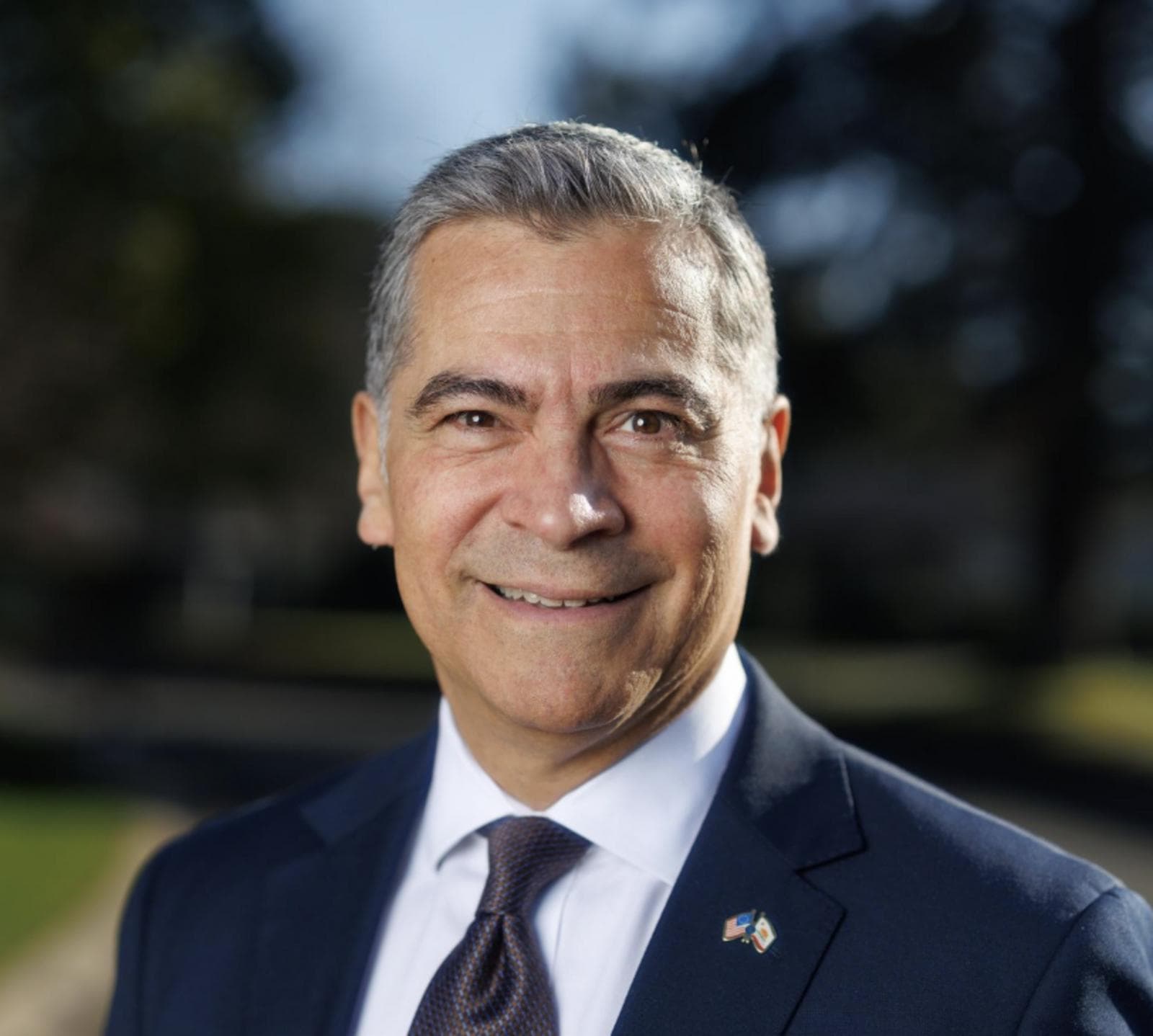
Xavier Becerra
Block MAGA by voting for Xavier Becerra
California Secretary of State
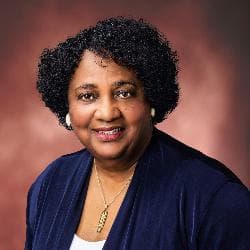
Shirley Weber
LA Forward recommends Dr. Shirley Weber in re-election bid for California Secretary of State. In 2021 she was appointed by Governor Newsom to the position of Secretary of State to replace Alex Padilla. She won a statewide election in 2022 to continue in the role and is now up for re-election. She is formerly a professor of Africana studies at San Diego State University, a member of the San Diego Board of Education and served in the CA State Assembly from 2012 to 2020. During her time as Secretary of State Weber has prioritized expanding access to the ballot box for every voter and voter education and outreach.
In July 2025 The U.S. Department of Justice (then headed by Pam Bondi) demanded California’s full, unredacted statewide voter registration list in a lawsuit brought by the United States against Secretary of State Weber. After months of fighting the DOJ in court a federal judge granted a motion to dismiss the lawsuit affirming the state of California’s right to shield the personal identifiers of its electorate. Weber is supported by SEIU, Planned Parenthood of California, California Nurses Association, California Environmental Voters and others.
California Controller
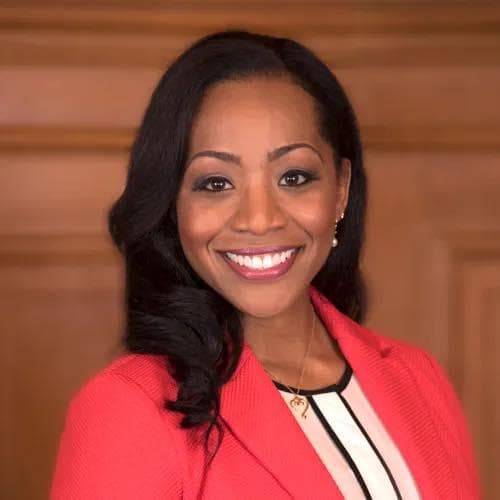
Malia Cohen
The State Controller is California’s chief fiscal officer and accountant and is responsible for accountability and disbursement of California’s financial resources. This means, maintaining the statewide accounting system, issuing reports on the state’s financial standing, administering payroll to state employees, administering unclaimed property laws, overseeing audits of state agencies and supervising local government finances. Additionally, the Controller serves on over 70 boards and commissions.
LA Forward recommends incumbent Malia Cohen for a second second four-year term. Cohen is backed by the California Labor Federation, California Environmental Voters, CA Council for Affordable Housing, California Nurses Association and more. Cohen has made addressing the housing crisis and expanding affordable housing priorities during her time in office. She used property tax abatements to stimulate affordable housing, backed AB 2353 which helps non-profit affordable housing developers secure the welfare property tax exemption and also approved $804 million in bond authority for affordable student housing. Cohen also led the way on property tax relief for those affected by the Palisades and Altadena fires. In addition to housing she has prioritized expanding health care, protecting the environment and equal rights as top issues of her campaign.
California Insurance Commissioner
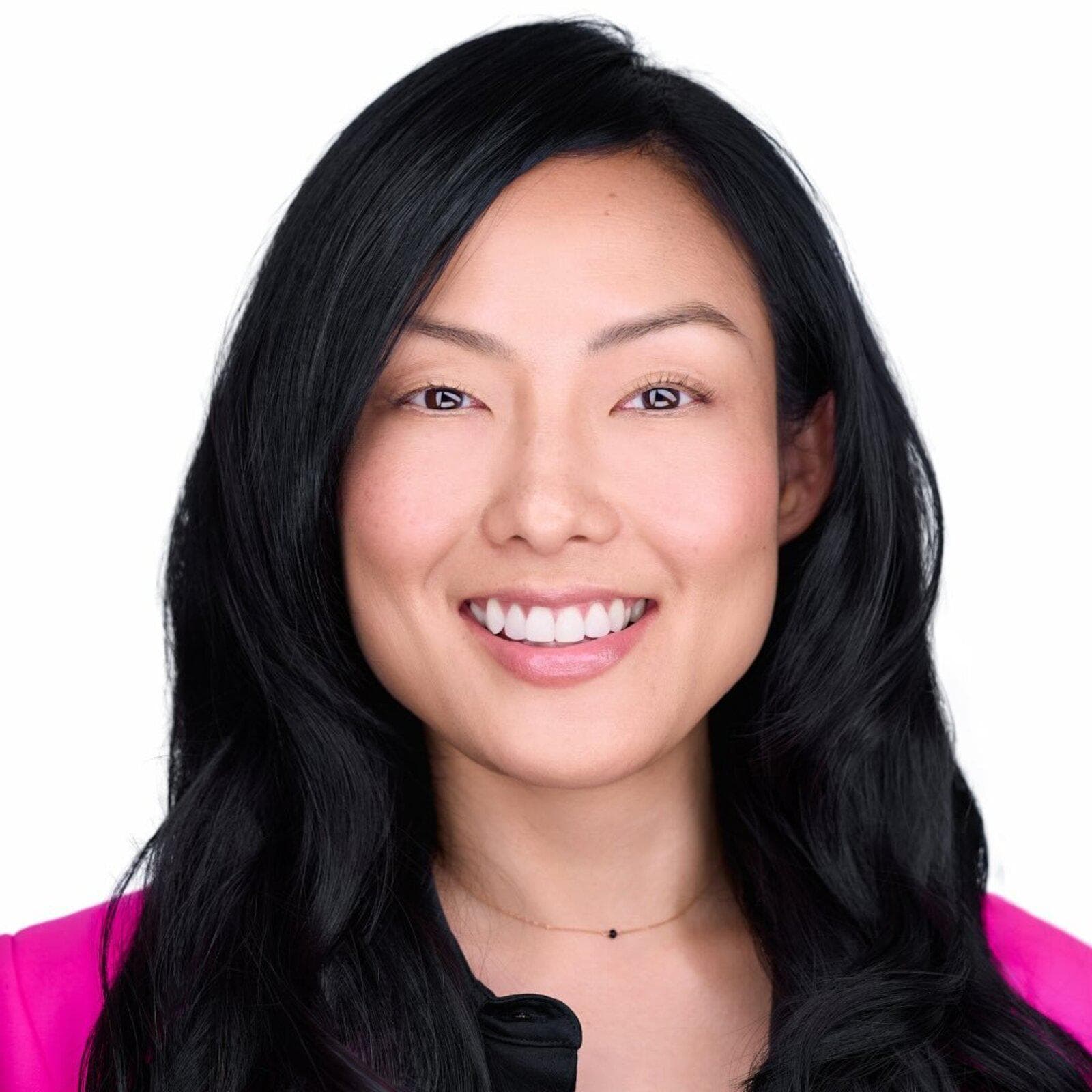
Jane Kim
Because of Jane Kim’s progressive history and innovative ideas for making sure all types of insurance are accessible to everyone LA Forward recommends her for the office of California Insurance Commissioner. Kim served on the San Francisco Board of Supervisors from 2011-2019 and currently works as the California Director of the Working Families Party. She also worked as a regional political director for Bernie Sanders during his 2020 presidential campaign. Some of Kim’s signature achievements during her tenure on the Board of Supervisors include, fighting for free community college tuition, brokering deals for an increase in affordable housing units and eviction protections for tenants.
Her campaign centers on holding insurers accountable while expanding access for Californians priced out of coverage. Jane has proposed a natural disaster insurance policy for every Californian. Under the Natural Disaster Insurance for All model, homeowners would continue to purchase private coverage for routine claims such as theft or water damage, while paying a government-administered fee tied to income and property value to fund disaster protection. Other countries including New Zealand have similar models. She sees this as an option to move people away from the FAIR Plan which is administered by the state and considered the “insurer of last resort” for homeowners who, through no fault of their own, cannot acquire coverage on the open market. She has also advanced the idea of a state affordable auto insurance option open to everyone. Kim has stated she will not accept campaign contributions from insurance companies, their executives, or affiliated political action committees.
Kim has won the endorsements of the Working Families Party, Our Revolution, SEIU, U.S. Senator Bernie Sanders, U.S. Representative Ro Khanna and many more.
California State Senate - District 20
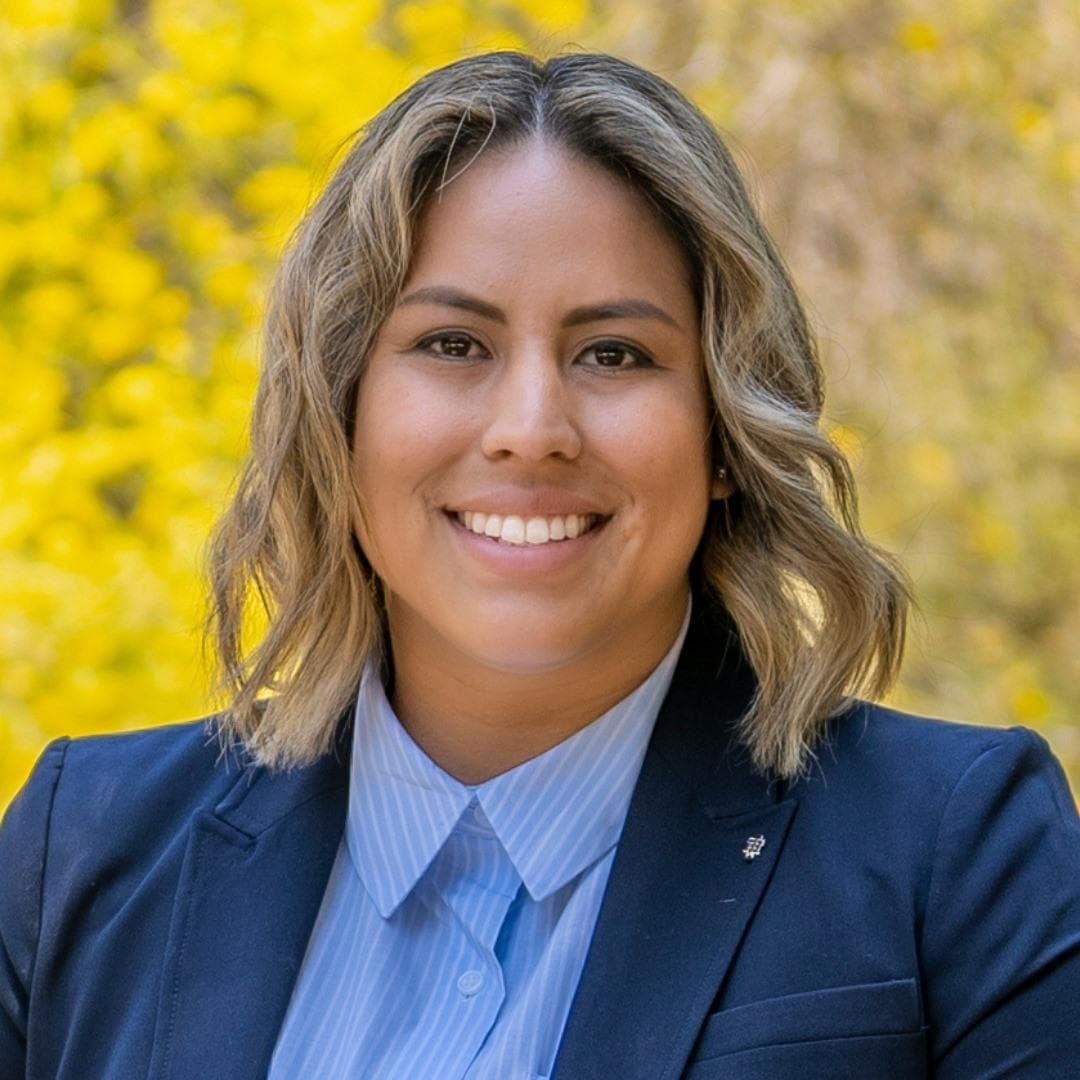
Caroline Menjivar
Caroline Menjivar is a clear progressive choice in Senate District 20. As an incumbent who flipped this seat in 2022, she has governed as a strong ally of working-class communities, tenants, LGBTQ+ people, and immigrants. Her lived experience as a queer Latina, Marine Corps veteran, and daughter of working‑class immigrants has grounded her work on mental health, economic justice, and services for families who have been left out of California’s prosperity. In Sacramento she has backed renter protections, expanded behavioral health and youth supports, and stood with labor on key fights, including raising standards for low‑wage workers and safeguarding reproductive freedom. Voters in SD 20 should keep her in the Senate to continue pushing for stronger tenant protections, more affordable housing, and a safety net that works for the San Fernando Valley and beyond.
California State Senate - District 24
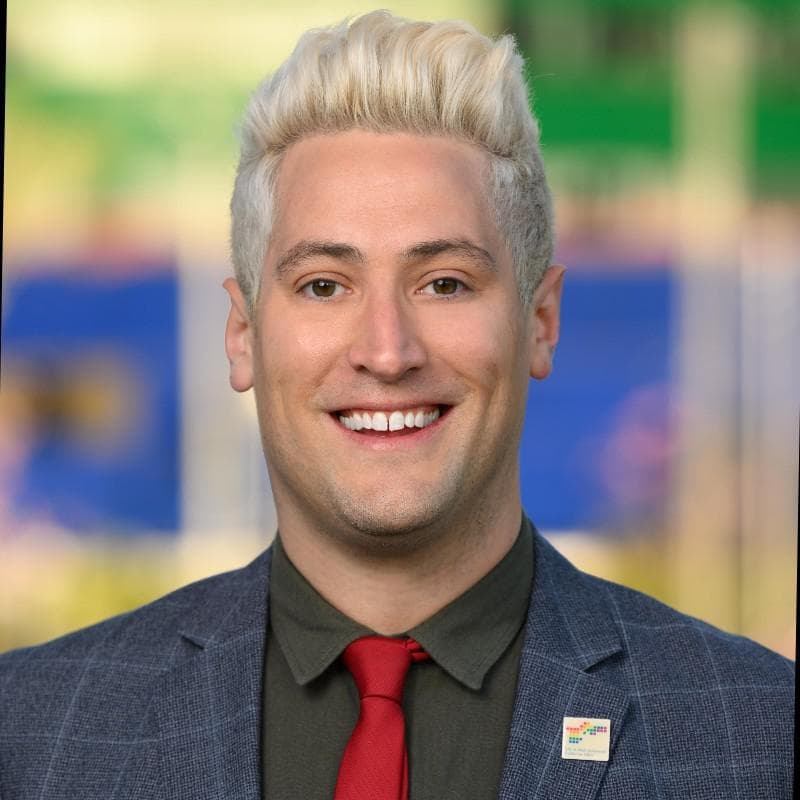
John Erickson
John Erickson is the strongest choice for State Senate in District 24 for voters who want a pro‑tenant, pro‑worker, pro‑climate champion with a proven record of bold local leadership. He’s endorsed by California Working Families Party and we recommend voting for him.
Senate District 24 is a big, powerful district that runs from the South Bay up the coast through Santa Monica and Malibu, across the Westside, and into Hollywood and the northwest Valley. It includes communities on the front lines of the housing crisis, climate change, and growing inequality—and it sends someone to Sacramento who will shape state policy on housing, transportation, climate, and education for years.
With Ben Allen termed out, this is an open seat with a crowded field of mostly Democrats and no consensus frontrunner. That makes it one of the few genuine opportunities in 2026 to send a clearly progressive, movement-aligned leader to the State Senate instead of a cautious insider.
John Erickson is a West Hollywood City Councilmember and former mayor who has already helped turn his city into one of the most progressive municipalities in the country. As councilmember and mayor, he championed raising West Hollywood’s minimum wage to the highest in the nation, capping rent increases, creating unarmed mobile crisis response teams, and investing heavily in social services for the LGBTQ community.
Before running for office, Erickson worked as a senior staff member at West Hollywood City Hall and served as Vice President of Planned Parenthood Los Angeles and Chief of Staff at Alliance for a Better Community, where he fought for reproductive freedom, immigrant rights, and equity in education and economic opportunity. He was part of the statewide “End Statute of Limitations on Rape” campaign, which helped repeal California’s statute of limitations on rape and sexual assault in 2016.
Erickson also serves on regional and statewide bodies that matter deeply to SD 24, including the Clean Power Alliance, the Santa Monica Bay Restoration Commission, and the California Contract Cities Association Executive Board. That experience means he already understands how Sacramento, local governments, and regional agencies interact—and where the levers are to move resources and power.
Erickson is running on a platform grounded in what he’s already done in West Hollywood: build a more just, sustainable, and livable California for working‑class people, tenants, and marginalized communities.
Housing and tenants’ rights: Erickson has championed pro‑housing policies on the West Hollywood council, including moves to remove parking minimums citywide and make many smaller housing projects ministerial, while also supporting strong rent protections and social services. In Sacramento, he supports expanding tenant protections and accelerating affordable housing production, not letting corporate landlords and NIMBYs dictate policy.
Economic justice and workers’ rights: As mayor, Erickson backed the highest minimum wage in the country and policies that prioritize workers and small businesses over corporate chains. In the Senate, he’ll push to strengthen labor standards, expand paid leave, and ensure the green transition creates good union jobs rather than precarious gig work.
Climate and coastal protection: Representing a coastal district, Erickson has emphasized climate resilience, fire prevention, and coastal protection, and he serves on the Santa Monica Bay Restoration Commission and Clean Power Alliance. He wants to bring the climate programs he’s helped build locally—clean power, resilience planning, and sustainable transportation—to the state level.
Reproductive freedom and LGBTQ+ equality: With a background at Planned Parenthood Los Angeles and a lifetime of LGBTQ advocacy, Erickson has been on the front lines of fights against attacks on abortion and queer and trans people. He’s made clear he will treat protecting reproductive freedom and LGBTQ+ rights as core parts of his job in the Senate.
Public safety without mass incarceration: Erickson has supported alternative crisis response, gun‑violence prevention, and measures like drink‑spiking test strip distribution, showing a commitment to safety strategies that reduce harm without expanding mass incarceration. In Sacramento, he’s positioned to back reforms that focus on prevention, treatment, and accountability, not carceral theater.
Erickson’s opponent is Democrat Brian Goldsmith, a well-connected political consultant.
Erickson has built a coalition that reflects the district’s progressive base and its diversity. He is backed by L.A. County Supervisors Janice Hahn, Lindsey Horvath, and Hilda Solis, who cite his record of investing in housing, public safety alternatives, and social services while maintaining fiscal health in West Hollywood. He has support from local electeds and regional organizations that have watched him govern and are betting on him to deliver the same values and results at the state level.
Recommendation: Vote for John Erickson for State Senate, District 24.
California State Senate - District 26
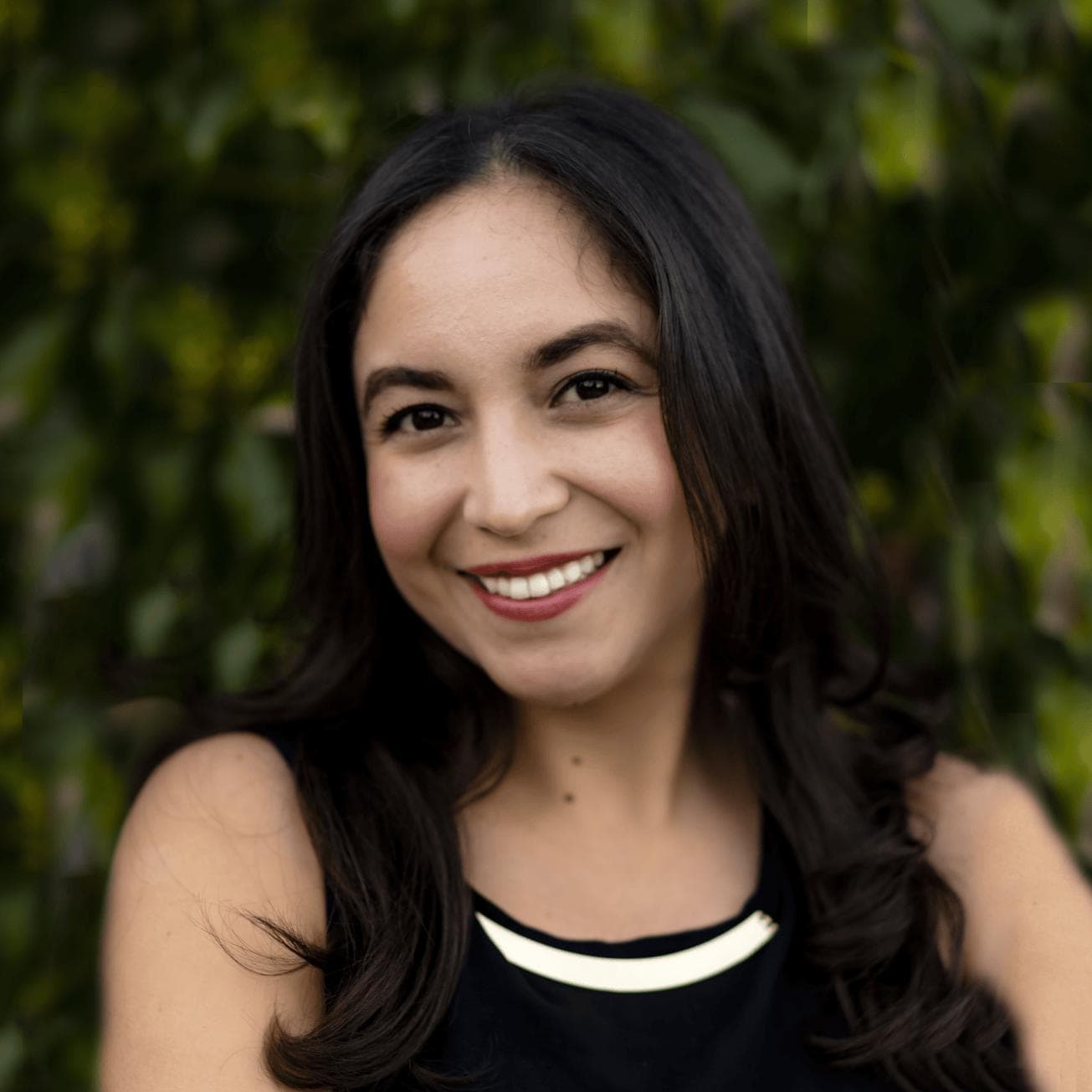
Sarah Rascón
Residents of Senate District 26 deserve a state senator who comes from the community, and is deeply rooted in immigrant neighborhoods, environmental justice, and working-class Los Angeles. That candidate is Sarah Rascon.
The district stretches across some of the most politically dynamic and economically pressured parts of Los Angeles, including Boyle Heights, Downtown, Chinatown, Eagle Rock, East Hollywood, Cypress Park, and Atwater Village. It is a district where questions of housing, immigrant rights, environmental justice, public health, and displacement are not abstract policy debates but lived realities.
With Senator Maria Elena Durazo running for Los Angeles County Supervisor, this open-seat race is a real contest over what kind of Democrat will represent communities that have long powered progressive politics in Los Angeles. The district needs someone whose politics were formed in the struggles of the communities she seeks to represent.
Sarah Rascón offers exactly that kind of candidacy. A first-generation candidate raised by her immigrant grandmother, Rascón has described a life shaped early by children’s court, social workers, and the public systems that families rely on when they are struggling. That background helps explain why her campaign is centered not on technocratic abstraction but on the practical question of whether government actually helps ordinary people survive and thrive.
Rascón has spent her career in public service and community-facing work. She has worked in voter engagement, served in local government offices, and most recently worked at at the Mountains Recreation and Conservation Authority, where she focused on revitalizing the LA River and preserving natural space. She has also highlighted work bringing social services and mental health resources to Eastside families, including support tied to Los Angeles County’s Prop 1 investments. That mix of neighborhood-level service, environmental advocacy, and government experience makes her especially well suited to a district where quality of life is shaped by both economic precarity and environmental neglect.
Just as important, Rascón appears to understand the difference between being adjacent to progressive politics and actually being accountable to it. She has said plainly that “a status quo Democrat isn’t good enough,” and her campaign frames itself as a challenge to politics built around careerism rather than service. In a district like SD 26, that distinction matters.
Another candidate, Sara Hernandez is, by any fair measure, an impressive and well-qualified candidate. She’s whip smart, incredibly hard-working, has raised a ton of money and is running the strongest campaign of any candidate in the district. She is an educator, nonprofit founder, housing attorney, and current Los Angeles Community College District trustee, and she talks fluently and persuasively about the housing crisis and many other topics. On paper, that makes her look like a strong fit for a district drowning in unaffordability. The only current elected official in the race, she has assembled a truly impressive set of endorsements including legislators of diverse ideological leanings, all kinds of labor organizations including the teachers union, several YIMBY groups, Jackie Goldberg and many more.
The problem is not that Hernandez lacks progressive positions; she supports some tenant protections, talks about social housing and community land trusts, and clearly understands the scale of the housing crisis. The issue is that her overall political profile and alliances do not line up with the kind of grounded, movement‑based progressive representation this district has come to expect. Her support from newer “abundance” and “new liberal” formations, and her appeal among more technocratic, professional‑class circles, speak to a different political center of gravity than the one rooted in tenant unions, immigrant‑rights organizations, and long‑time working‑class base‑building groups.
In forums and in her own messaging, Hernandez often frames herself as a pragmatic problem‑solver who can “get things done” and “make government work better.” That has obvious appeal, but it also tends to flatten the power questions that define truly progressive politics in places like Boyle Heights, Chinatown, and East Hollywood: who is at the table, who is being organized, who is being asked to compromise, and who keeps winning. Hernandez is a very strong Democrat who would be a productive legislator, but she has not made a fully convincing case that she will consistently side with tenants and grassroots organizations when their demands collide with the preferences of donors, institutional players, and the political establishment. It’s especially concerning that the real estate interests like the landlords and realtors associations are spending significant amounts of money to support her and that she won’t commit to overturning roadblocks to supporting tenants like the Ellis Act and Costa Hawkins.
That is why, in this race, progressives should appreciate Hernandez’s strengths yet still give the edge to Sarah Rascón.
Rascón’s campaign and pitch is less polished than Hernandez’s, but it is more grounded in the district’s political soul. She is speaking directly to working families, immigrants, excluded communities, and neighborhoods that are tired of being treated as raw material for other people’s agendas. Her emphasis on environmental justice, housing affordability, social services, and community-rooted representation fits a district that has always demanded more than Democratic politics.
The contrast between Rascón and Hernandez gets at the larger question before voters: who best represents the next generation of progressive leadership in central and East Los Angeles. Rascón is making a credible case for it through biography, values, and the constituencies she seems most intent on serving and who she’ll ultimately be accountable to. Best case scenario we get November general election between Sarah Rascón and Sara Hernandez. We recommend you vote for Sarah Rascón to make that match up a reality.
California State Senate - District 28
Lola Smallwood-Cuevas
The incumbent, Lola Smallwood-Cuevas, deserves your vote for another term. She faces no substantive challengers and she’s endorsed by the CA Working Families Party. She chairs the Senate Labor Committee and has been a reliable supporter of progressive initiatives.
California State Assembly - District 34
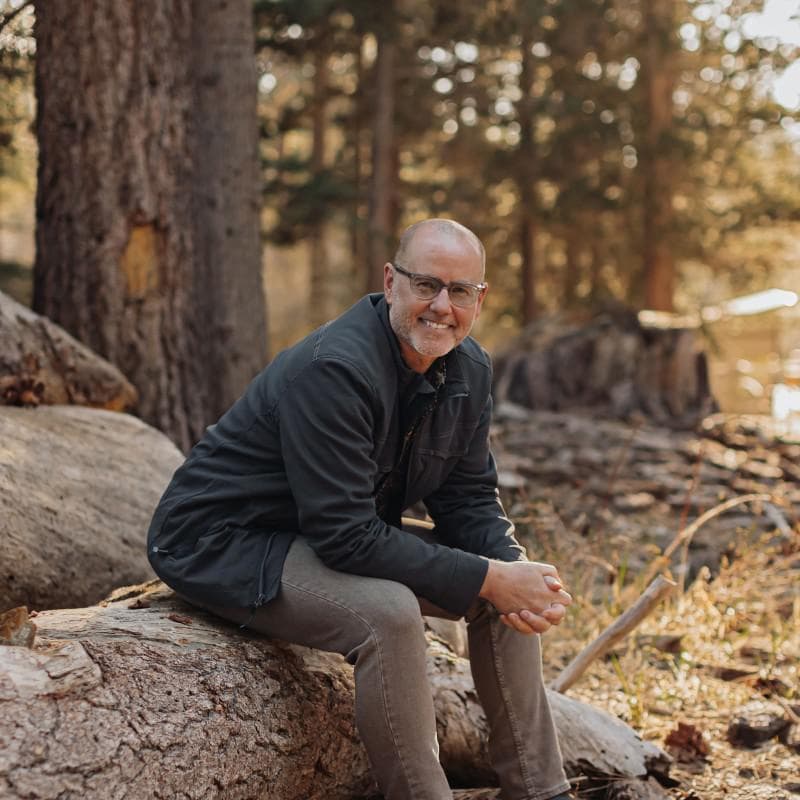
Randall Putz
AD-34 covers much of the Antelope Valley and High Desert, including Lancaster, Palmdale, Adelanto, Hesperia, and Victorville, communities where long commuting distances, access to public services, environmental health concerns, and economic stability for working families shape local priorities. With Assemblymember Tom Lackey term-limited, the seat is open in 2026 and expected to draw a competitive field. The district has historically leaned Republican, and in open-seat contests like this one, outcomes are often shaped less by statewide ideological positioning than by candidates’ visibility and governing experience within the High Desert. Randall Putz, a Big Bear Lake city councilmember, is the only Democrat in the race, and he deserves your vote.
California State Assembly - District 40
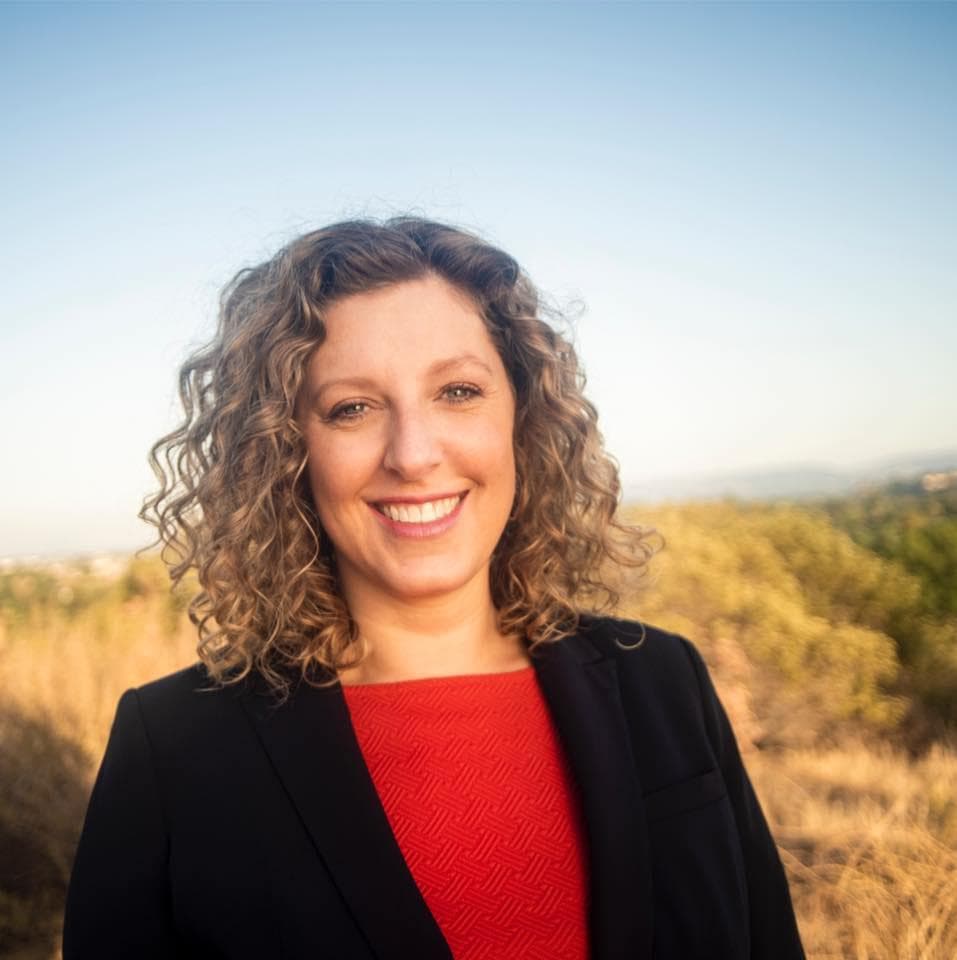
Pilar Schiavo
AD-40 covers the Northwest San Fernando Valley and the Santa Clarita Valley, and stretches into Valley Verde and Castaic, not exactly a progressive heartland. Schiavo won her seat in 2022 in one of the closest races of the year, defeating Republican incumbent Suzette Martinez Valladares by just 522 votes.She won re-election in 2024 with 57.7%, a more comfortable margin, but this remains a district where Democrats have to earn it every cycle. It leans Democrat at the federal level, going for Biden in 2020, but has chosen both Republicans and Democrats in its local races. According to CalMatters, about 42% of the district is registered Democrat, 30% of the district is registered Republican, and 22% is registered No Party Preference.
Holding AD-40 matters. Every non-corporate Democrat who can win and hold a competitive district strengthens the Democratic supermajority and reduces the influence of the caucus's more corporate-oriented members. Schiavo is worth keeping.
She spent more than 20 years in the labor movement, including thirteen with the California Nurses Association, and before running for office, she co-founded an organization in the Northwest San Fernando Valley that housed unhoused veterans and delivered over 50,000 meals to people in need.
Her legislative record reflects that. Every single one of her bills sent to the Governor in 2025 was signed into law, a 100% success rate that speaks to both her effectiveness and her focus on wins that actually reach people. Her bills have focused on consumer protections, healthcare access, veteran protections, workplace safety, and housing, along with $93 million in district investments during her first term for school safety, senior meals programs, veteran housing, and domestic violence services. Exactly the kind of work that makes a real difference in a district where families are stretched thin.
We wish she was more progressive on criminal justice, but overall, Schiavo is showing up strong in Sacramento, especially considering how moderate her district is
California State Assembly - District 41
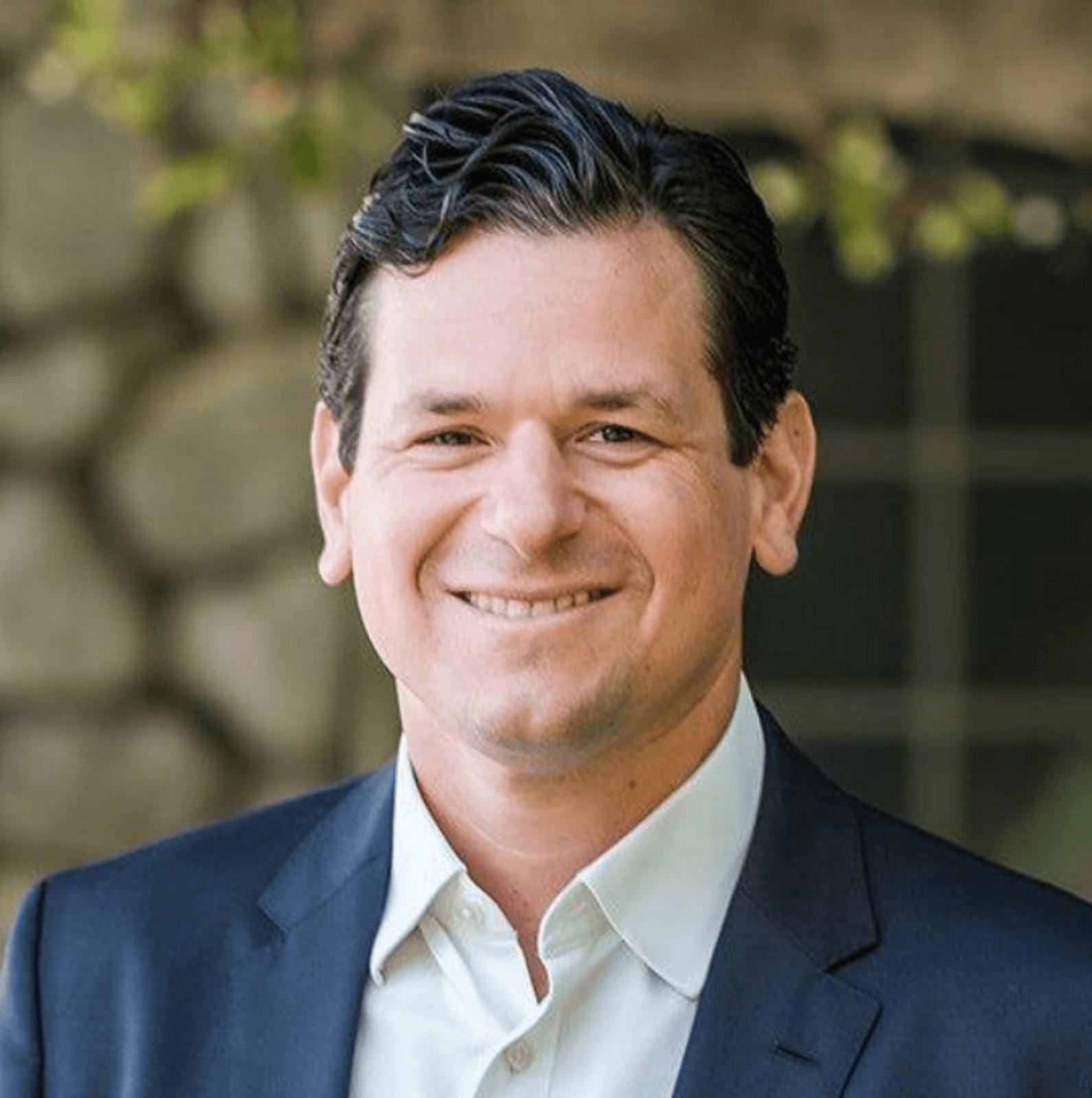
John Harabedian
Democrat John Harabedian was first elected in November 2024 and has been heavily focused on fire recovery during his first term in the Legislature. He doesn’t face any real challengers.
California State Assembly - District 42
Deborah Klein Lopez
Three candidates vying for retiring Assembly member Jacqui Irwin’s open seat that spans from Calabasas to the Simi Valley. Agoura Hills City Council Councilmember and Democrat Deborah Klein Lopez entered the race first, now running against Simi Valley Councilmember Rocky Rhodes and former 2022 and 2024 Republican candidate Ted Nordblum.
A project manager and financial analyst, Klein Lopez has garnered the most fundraising from grassroots donors. Her platform, according to her website, focuses on climate change such as disaster preparedness against recent devastating Palisades wildfires, as well as ensuring economic fairness and affordability. Since becoming an Agoura Hills Council member in 2018, she has overseen climate resilience initiatives and recovery during disasters such as the Woolsey fire in Ventura. She has also served as a Board Chair of the Clean Power Alliance and focused on lobbying for state and federal funding related to microgrids and citywide bike plans. Lopez has won the endorsements from incumbent Irwin as well as LA County Supervisor Lindsey Horvath and California U.S. Senator Adam Schiff and multiple key unions such as firefighters, SEIU and Teamsters.
Klein Lopez’s biggest challenger was originally from fellow Democrat Westlake Village city councilmember Kelly Honig. Her election bid was denied after a procedural error: she filed her declaration of candidacy in Ventura County rather than her county of residence in Los Angeles. Although Ventura County staff seemingly made errors along the way, a judge ruled that Honig should have known the law.
LA Forward recommends Klein Lopez due to her track record of environmental advocacy.