


California General Election
U.S. House California District 11
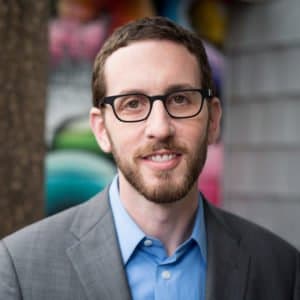
We recommend voting for Scott Wiener for U.S. House of Representatives, District 11.
Scott Wiener has spent the last decade as one of California's most persistent and effective pro-housing legislators. As a former San Francisco supervisor (https://www.scottwiener.com/meet-scott) and now the state senator representing District 11 (San Francisco) (https://sd11.senate.ca.gov/district), he has built a record on the issues that most directly shape San Francisco's quality of life and cost of living: housing production, transit, and government's ability to actually deliver.
In this field, Wiener stands out because he has already passed big, controversial laws in hostile political conditions — and that matters in Washington, where rhetoric is cheap and follow-through is not. Like every candidate, there are things we don't align with Wiener on (his positions on AI regulation and public safety diverge from ours in places), but he's still the best choice for getting results.
"Results over rhetoric. My job isn't to maintain ideological purity; it's to improve people's lives."
Scott Wiener, State Senator, District 11
Why vote for Scott Wiener?
Scott Wiener's top policy goals are:
Build more housing to lower the cost of living
Wiener's strongest argument in this race is simple: he has actually passed pro-housing law at scale. SB 35 (https://leginfo.legislature.ca.gov/faces/billNavClient.xhtml?bill_id=201720180SB35) forced cities that weren't building enough housing to approve qualifying projects automatically. SB 423 (https://leginfo.legislature.ca.gov/faces/billNavClient.xhtml?bill_id=202320240SB423) extended and tightened that framework. And SB 79 (https://sd11.senate.ca.gov/news/governor-newsom-signs-senator-wieners-landmark-law-build-more-homes-near-public-transit), signed in 2025, legalized mid-rise apartment buildings near major transit stops throughout California. Those laws did not solve California's housing crisis on their own, but they changed the terms of the fight — making it harder for cities to dodge their housing obligations and easier to get badly needed homes approved.
But state law can only do so much. The country is short 8 million homes, and Congress controls the federal tools that decide how housing gets paid for and built — tax credits, Section 8 vouchers, and environmental review rules. Wiener wants to expand housing tax credits, fund rental assistance, reward cities that build, and cut through federal red tape. He treats housing as both a building problem and a rules problem. We need someone in Congress who gets how permitting, timelines, and financing keep homes from getting built.
Protect transit and urban infrastructure San Francisco depends on
San Francisco's affordability depends on whether people can get around the city and region reliably. In 2023, Muni and BART were staring down a multi-billion-dollar fiscal cliff (https://sfstandard.com/2023/05/31/public-transit-state-budget-scott-wiener-gavin-newsom-transportation/) that threatened service cuts across the region. Wiener built the coalition (https://sfstandard.com/2023/02/09/wieners-big-ask-in-sacramento-a-lifeline-for-bart-muni/) that kept both systems running — bringing together labor, environmental groups, suburban counties, business associations, and urban riders to secure $1.1 billion in emergency state funding (https://www.kqed.org/news/11952821/1-1-billion-state-bailout-proposed-for-transit-agencies-facing-fiscal-cliff).
That funding bought time, not a permanent fix. With federal COVID relief exhausted and ridership still well below pre-pandemic levels, Bay Area transit is now facing another fiscal cliff in 2026 (https://www.bart.gov/about/financials/crisis) — BART alone is staring at a $376 million deficit, and Muni faces 50% service cuts without new revenue. Wiener's response was SB 63, the Connect Bay Area Act (https://sd11.senate.ca.gov/news/senators-wiener-and-arreguin-announce-bill-authorize-bay-area-public-transit-funding-measure), which authorizes a regional sales tax measure on the November 2026 ballot that would generate roughly $980 million per year (https://mtc.ca.gov/news/governor-signs-bill-authorizing-bay-area-voters-consider-2026-transit-measure) to stabilize transit across five Bay Area counties. He has done this work twice now — and he is not done.
In Congress, he wants to fix how the federal government funds transit, fight for money to keep trains running (not just build new things), and protect clean energy transit programs from getting cut. Too many politicians talk about transit as branding. Wiener has spent years doing the hard work of keeping it alive.
A record of governing, not just campaigning
The next Congress will be a difficult environment for a junior Democratic House member from San Francisco. Wiener's argument for why he can still get things done is credible: he has passed over 100 bills (https://sd11.senate.ca.gov/biography) in the state legislature, often against powerful opposition. He has authored major laws not just on housing but also on mental-health and addiction treatment coverage (SB 855) (https://www.gov.ca.gov/2020/09/25/governor-newsom-signs-bills-to-expand-access-to-quality-behavioral-health-care-for-all-californians-help-homeless-californians-suffering-extreme-mental-illness-on-our-streets-sidewalks/) and net neutrality (SB 822) (https://leginfo.legislature.ca.gov/faces/billTextClient.xhtml?bill_id=201720180SB822). That willingness to pick fights, including with his own party, and the discipline to come back with a revised version when a coalition falls short, is exactly what federal legislating requires.
Why not the other candidates?
Connie Chan has built her political career around opposing things — blocking housing, fighting development, and siding with the most obstructionist factions on the Board of Supervisors. She actively tried to weaken San Francisco's housing plan at a time when the city desperately needed to build more. She has no meaningful legislative accomplishments to point to. Sending someone to Congress whose primary skill is saying no is not what San Francisco needs right now.
Saikat Chakrabarti is running on vibes, not a track record. He talks constantly about his connections to Alexandria Ocasio-Cortez, but you may have noticed that AOC herself hasn't uttered a single positive word about his campaign. There's a reason for that: she fired him. Chakrabarti has been in national politics for years but has no actual record of passing legislation or delivering results for any constituency. San Francisco deserves a representative who has actually done the work, not one who name-drops someone else's.
On other issues
Technology and AI: Wiener authored SB 1047, a first-in-nation AI regulation bill, which was opposed by SF-based tech companies big and small. Governor Newsom vetoed it in 2024. Wiener followed it up with SB 53, a much narrower transparency-focused bill that drew broader industry support. We think the Federal government has a role in setting up AI regulations and guardrails, and think Wiener's approach in California has been somewhat misguided. That said, voters in the tech sector should evaluate his track record on the merits rather than the headline, and importantly, compare him to the alternatives. Both Chakrabarti and Chan would sooner ban AI than regulate it.
Healthcare and treatment: SB 855 (https://www.gov.ca.gov/2020/09/25/governor-newsom-signs-bills-to-expand-access-to-quality-behavioral-health-care-for-all-californians-help-homeless-californians-suffering-extreme-mental-illness-on-our-streets-sidewalks/) expanded mental-health and addiction treatment coverage, and his campaign platform continues to emphasize lower drug costs and broader access to care.
Civil rights and immigration: Wiener has made LGBTQ rights and immigrant protections a major part of his public record. San Francisco voters care about that, and they should.
Public safety: Wiener opposed Prop 36 (https://ballotpedia.org/California_Proposition_36,_Drug_and_Theft_Crime_Penalties_and_Treatment-Mandated_Felonies_Initiative_(2024)), which GrowSF supported (/voter-guide/san-francisco-voter-guide-november-2024-election/) and nearly 70% of California voters passed (https://calmatters.org/politics/elections/2024/11/prop-36-california-election-result/). His approach to the fentanyl crisis emphasizes treatment access and federal interdiction funding over the accountability measures GrowSF favors. That's a real difference, but it doesn't change the overall calculus in this race.
Scott Wiener has shown he can pass hard laws on the issues San Francisco most needs solved. In a field where his opponents are defined by obstruction or aspiration, Wiener is defined by results. That's why he has our endorsement.
Source (https://growsf.org/voter-guide/san-francisco-voter-guide-june-2026-election/#house-district-11)
U.S. House California District 15
Preliminary endorsement — Kevin Mullin has not returned our questionnaire.
We recommend voting for Kevin Mullin for House of Representatives, District 15.
Only a small piece of southern San Francisco is in this district; most of it is San Mateo County. Mullin has represented it since 2022, after ten years in the State Assembly (https://en.wikipedia.org/wiki/Kevin_Mullin), where he was Speaker pro Tempore from 2014 to 2022. In Congress he sits on the Energy and Commerce Committee (https://en.wikipedia.org/wiki/Kevin_Mullin), and this year he brought home $12.8 million (https://kevinmullin.house.gov/2026/02/05/mullin-secures-around-12-8m-for-district-15/) in community project funding for the district, including $960,000 for the Visitacion Valley Family Center and $250,000 for Crocker Amazon Playground.
His opponent, Charles Hoelter, is a retired UPS supervisor (https://www.rwcpulse.com/redwood-city/2026/05/13/five-candidates-up-to-bat-for-congressional-d-15/) running on term limits, voter ID, and barring transgender athletes from women's sports. Neither candidate returned our questionnaire. Mullin is an effective incumbent with a record of delivering for the district, and he has our vote.
California Governor
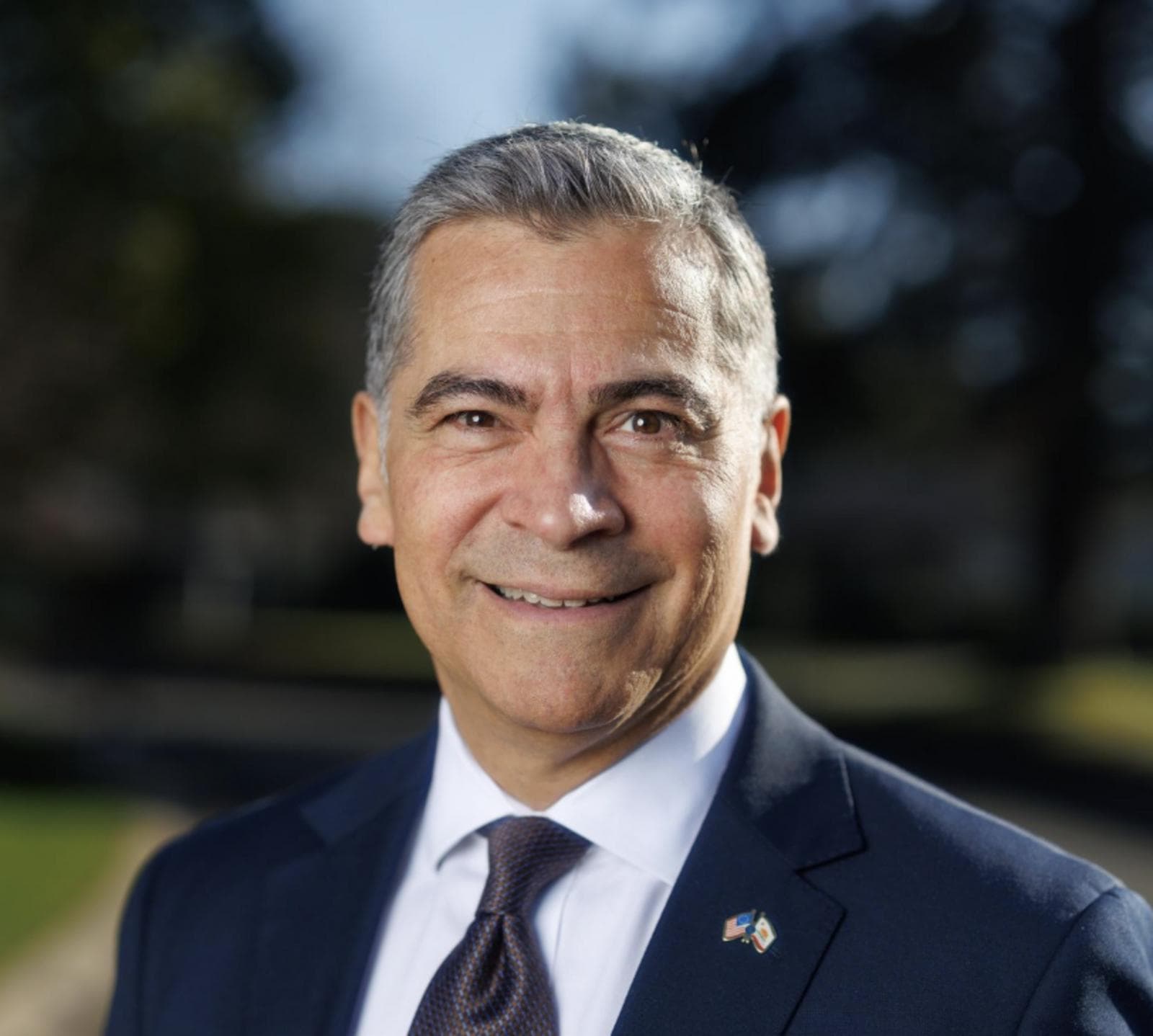
Preliminary endorsement — Xavier Becerra has not returned our questionnaire.
We recommend voting for Xavier Becerra for Governor.
Becerra has spent his career in government: more than two decades representing Los Angeles in Congress, then California Attorney General, then U.S. Secretary of Health and Human Services (https://calmatters.org/california-voter-guide-2026/governor/). As Attorney General he sued the first Trump administration 120 times (https://www.kqed.org/news/12034105/xavier-becerra-enters-california-governors-race-citing-break-glass-moment) and filed the state's first lawsuit against a city for refusing to plan for the homes state law required (https://www.publicceo.com/2019/02/housing-lawsuits-pit-the-state-vs-huntington-beach/). He broke with Governor Newsom to vote for Prop 36 (https://calmatters.org/california-voter-guide-2026/governor/), the 2024 measure we supported (https://growsf.org/voter-guide/san-francisco-voter-guide-november-2024-election/measures/prop-36/) that restored felony charges for repeat theft and drug offenses, and he says he would fully fund it. He opposes the billionaire tax (https://growsf.org/voter-guide/san-francisco-voter-guide-november-2026-election/measures/prop-40/) on this ballot, and he says people who are offered shelter should not be allowed to stay on the street. On housing, he says he would declare a state of emergency on his first day (https://www.xavierbecerra2026.com/priorities/housing/), fund the nearly 40,000 subsidized homes that are approved and waiting on a last piece of financing, and end exclusionary zoning near transit.
What he has not done is campaign. Becerra finished first in June, 28% to Hilton's 25% (https://elections.cdn.sos.ca.gov/sov/2026-primary/sov/06-sov-summary.pdf), leads 55% to 37% (https://escholarship.org/content/qt6t74v608/qt6t74v608.pdf) in the latest Berkeley IGS poll, and has treated that lead as a reason to say as little as possible. Asked onstage what voters could expect from him as governor, he declined to name a single commitment (https://calmatters.org/politics/2026/08/california-governor-becerra-profile-promises/): "I would prefer not to run on inflated promises. I will run on my record." By the end of July, Hilton had accepted six debate invitations and Becerra had accepted none (https://www.yahoo.com/news/politics/articles/steve-hilton-challenges-xavier-becerra-214338389.html). The one debate now on the calendar is September 30 (https://www.cnn.com/2026/09/08/politics/cnn-to-host-california-gubernatorial-debate-september-30), five weeks before Election Day. Menlo College political scientist Melissa Michelson called this (https://calmatters.org/politics/2026/08/california-governor-becerra-profile-promises/) "textbook political science," and she is right, but a candidate who won't say what he will do is asking voters to take a lot on faith. We hope Becerra has spent the quiet months building a strong bench of advisors and agency heads. The governor's real job is choosing the people who run the state, and that is exactly where his experience should pay off.
Steve Hilton has a couple of good ideas, like stopping people from using CEQA (https://calmatters.org/california-voter-guide-2026/governor/) (the state's environmental review law) to sue new homes out of existence, but has many more bad ones. He called for an audit of the 2020 election (https://calmatters.org/politics/2026/07/california-governor-hilton-profile/) and promoted the conspiracy theory that Dr. Anthony Fauci was responsible for the pandemic on the Fox News show he hosted for six years. President Trump endorsed him (https://www.foxnews.com/politics/president-trump-makes-endorsement-california-gubernatorial-race-he-great-governor) in April. He calls California's sanctuary law "a ridiculous policy" (https://www.nbcsandiego.com/news/politics/politically-speaking/steve-hilton-lockstep-trump-immigration-policy/4007469/) and would repeal it, a law Becerra defended in court (https://calmatters.org/california-voter-guide-2026/governor/) as Attorney General. His tax plan would end state income tax on the first $150,000 of income and charge a flat 8% above that (https://kesq.com/your-vote/2026/06/16/hilton-unveils-flat-tax-plan-in-huntington-beach/), and he has not said what he would cut to pay for it, a gap a Chapman University economist put at almost a third of the state budget. He would also roll back California's climate rules (https://calmatters.org/california-voter-guide-2026/governor/), including the requirement that utilities buy solar and wind power. And he's never held elected office (https://calmatters.org/politics/2026/07/california-governor-hilton-profile/) before.
Becerra has the experience for the job and a record on housing and public safety that lines up with ours. Hilton has a talk show and Trump's endorsement. We hope Becerra has used the quiet campaign to build the team that will actually run the state, because that is the job.
Source (https://growsf.org/voter-guide/san-francisco-voter-guide-november-2026-election#governor)
California Lieutenant Governor
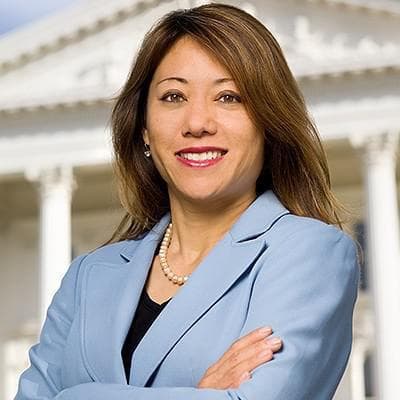
We recommend voting for Fiona Ma for Lieutenant Governor.
In June we endorsed Josh Fryday, who unfortunately finished third and didn't advance (https://calmatters.org/politics/2026/06/california-primary-lieutenant-governor/). The general election is now Fiona Ma, a Democrat, against Gloria Romero, a Republican, and Ma is the clear choice.
The Lieutenant Governor sits on the State Lands Commission, holds voting seats on the UC Regents, CSU Trustees, and Community Colleges Board of Governors, and chairs the Commission for Economic Development. Most candidates treat this office as a stepping stone. Ma has specific plans for its actual tools.
Why vote for Fiona Ma?
Fiona Ma started her public service career in San Francisco, serving as the Sunset's Supervisor from 2002 to 2006 (https://en.wikipedia.org/wiki/Fiona_Ma), and has since held office at every level of California government: six years in the Assembly, where she had more than 60 bills signed into law (https://growsf.org/voter-guide/questionnaires/june-2026/fiona-ma/) and served as Speaker pro Tempore, a term on the Board of Equalization, and two terms as State Treasurer. We endorsed her for Treasurer in 2022 (https://growsf.org/voter-guide/san-francisco-voter-guide-november-2022-election/) and called her the safe and stable choice. She was.
"I have never lost a race for office, and that is not by accident. When I set out to accomplish something, I commit fully and I deliver."
Fiona Ma, State Treasurer
The Treasurer's job turns out to be direct preparation for this one. Ma chairs the committee that allocates the tax credits that make affordable housing possible (https://fionama.com/about/), sits on the California Housing Finance Agency board, issued the state's first-ever bonds for community college student housing (https://calmatters.org/politics/2022/10/fiona-ma-treasurer-election/), and launched the Dream for All down payment program for first-time homebuyers. As Lieutenant Governor she would sit on the boards of the very institutions she has been financing, and she is the only elected official who sits on all three (https://growsf.org/voter-guide/questionnaires/june-2026/fiona-ma/). Her plan would put workforce housing on the 75,000 acres of land that school districts and colleges already own (https://growsf.org/voter-guide/questionnaires/june-2026/fiona-ma/), funded through a zero-interest revolving loan fund, so teachers and college staff can afford to live where they work. On the State Lands Commission, she wants to push California's first commercial-scale offshore wind hub at Morro Bay and Humboldt into active construction.
She is also proposing a reform we've already endorsed in another race: abolishing the Board of Equalization (https://growsf.org/voter-guide/questionnaires/june-2026/fiona-ma/). Ma served on that board, chaired it, and initiated the outside audits that exposed the mismanagement behind the 2017 reforms that stripped most of its powers. Now she wants to finish the job, which is exactly the position we took in our Board of Equalization endorsement (https://growsf.org/voter-guide/san-francisco-voter-guide-november-2026-election/contests/board-of-equalization/). It says something when a politician proposes eliminating a body she herself sat on.
Source (https://growsf.org/voter-guide/san-francisco-voter-guide-november-2026-election#lieutenant-governor)
California Attorney General
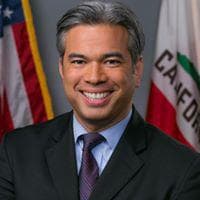
Rob Bonta has been an effective Attorney General, and we're happy to endorse him for another term.
For San Francisco voters, Bonta's most important work has been on housing. He co-sponsored SB 1037 (https://oag.ca.gov/news/press-releases/attorney-general-bonta-issues-legal-alert-legislation-authorizing-new-civil) with Scott Wiener, which gave the AG's office real teeth to fine cities that block housing — and he has used them. His office has forced compliance from cities (https://oag.ca.gov/news/press-releases/attorney-general-bonta-newsom-administration-reach-settlement-city-norwalk-over) across California that were illegally stalling housing plans, including settlements with Fullerton, Norwalk, Elk Grove, and Huntington Beach. When the city of Woodside tried to claim it was a cougar habitat to dodge SB 9, Bonta shut it down. Every home that gets built because a NIMBY city was forced to follow the law makes San Francisco's regional housing market a little less insane.
He's also gone after anticompetitive behavior in the rental market. His office got a $7M settlement from Greystar (https://oag.ca.gov/news/press-releases/attorney-general-bonta-announces-7-million-settlement-greystar-participating), the nation's largest landlord, for using software to coordinate rent prices with competitors — basically a cartel run through an algorithm. That kind of enforcement matters to every renter in the Bay Area.
Bonta has also been active defending California against the Trump administration, filing over 50 lawsuits on issues from immigration to environmental protections.
Source (https://growsf.org/voter-guide/san-francisco-voter-guide-june-2026-election/#attorney-general)
California Secretary of State
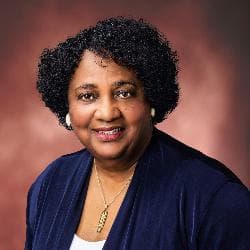
Preliminary endorsement — Shirley N. Weber has not returned our questionnaire.
Shirley Weber has done the job competently, and we endorse her for another term.
The Secretary of State's primary job is running California's elections, and Weber has done it without drama — which is exactly what you want. Under her tenure, California hit a record 22.6 million registered voters (https://www.sos.ca.gov/elections/statistics) in 2024, and over 5 million Californians (https://www.sos.ca.gov/administration/news-releases-and-advisories/2024-news-releases-and-advisories/california-secretary-state-shirley-n-weber-phd-announces-more-5-million-california-voters-signed-track-their-ballot) signed up for ballot tracking through the "Where's My Ballot" system. She's also expanded same-day voter registration and grown the number of Voter Choice Act counties, which give voters more flexibility in where and when they cast their ballots.
When the federal government demanded access to California's statewide voter registration database, Weber refused and won in court (https://www.sos.ca.gov/administration/news-releases-and-advisories/2026-news-releases-and-advisories/california-secretary-state-shirley-n-weber-phd-secures-win-against-threats-voter-privacy).
We'd like to see her push harder on campaign finance transparency. The state's Cal-Access disclosure database (https://cal-access.sos.ca.gov/) is difficult to use and makes it too hard to trace certain types of electoral spending. Voters deserve full transparency around political money.
Source (https://growsf.org/voter-guide/san-francisco-voter-guide-june-2026-election/#secretary-of-state)
California Controller
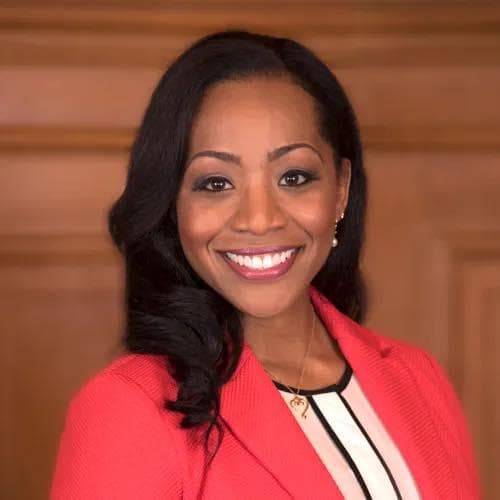
Cohen knows public finance, and she knows San Francisco.
Before becoming Controller, Cohen chaired the Budget and Finance Committee and the Audit and Oversight Committee on the SF Board of Supervisors. After that, she ran the San Francisco Employees' Retirement System (https://mysfers.org/about-sfers/investments/), a $35 billion pension fund. Now she sits on the boards of CalPERS and CalSTRS (https://sco.ca.gov/eo_investments_and_pensions.html), the two biggest public pension funds in the country, with almost $1T in assets, combined.
She also went after California's largest-ever charter school fraud (https://www.nbcsandiego.com/news/local/task-force-releases-report-in-wake-of-states-largest-ever-charter-school-fraud/3632211/). Cohen led a task force that came up with 20 fixes (https://www.bondbuyer.com/news/california-controller-releases-recommendations-to-prevent-charter-school-fraud) for how the state checks school finances — tougher rules for auditors, faster reporting, and more disclosure. Her office also publishes pay data for over 2 million government workers (https://sco.ca.gov/eo_sco_data.html) across 5,000+ agencies.
We would like to see the Controller's Office return $15B in unclaimed property (https://www.cbsnews.com/news/california-unclaimed-property-state-owes-charities-money/) such as forgotten bank accounts and uncashed checks that belong to Californians. Other states send it back automatically — California still doesn't. Overall, Cohen has brought transparency and accountability to the state's spending.
Source (https://growsf.org/voter-guide/san-francisco-voter-guide-june-2026-election/#controller)
California Treasurer
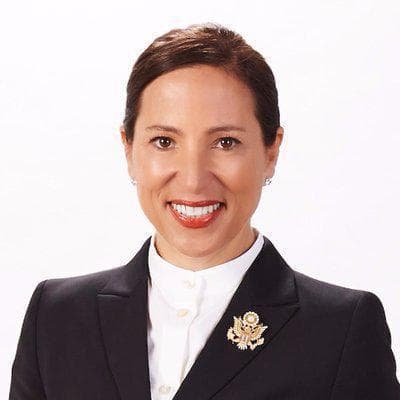
We recommend voting for Eleni Kounalakis for State Treasurer.
The Treasurer chairs CDLAC (https://www.treasurer.ca.gov/newsletter/2019/apr/abcs-of-the-bcas.html) (which decides how billions in tax-exempt bonds get spent) and CTCAC (which hands out the federal tax credits that make affordable housing possible). If those agencies move slowly, housing doesn't get built. Kounalakis is the only candidate in this race who has actually built housing, financed infrastructure, and managed large-scale investments in the private sector.
Kounalakis named three measurable outcomes voters should use to judge her after two years: more housing units financed through state programs with faster time to delivery, pension returns that meet or exceed benchmarks with improved transparency, and significant growth in CalSavers, CalKIDS, ScholarShare 529, and CalABLE enrollment — especially among working families and underserved communities. That kind of accountability is rare in a statewide race.
"I will focus on lowering financing costs, unlocking capital, and partnering with local governments to move projects from approval to construction faster — because affordability depends on supply."
Eleni Kounalakis, Lieutenant Governor of California
On fiscal discipline, she's specific: hold the state's debt-service-to-General Fund ratio at or below 6%, publish a public "California Balance Sheet" dashboard tracking bond debt, pension assets, and investment performance in plain language, and push for stable pension returns with downward pressure on fees. California's heavy reliance on capital-gains tax revenue creates boom-and-bust budget cycles — Kounalakis would align cash management with economic cycles, maintaining liquidity during downturns rather than borrowing at the worst time.
Before entering public life, Kounalakis spent nearly two decades as a housing developer at AKT Development (https://en.wikipedia.org/wiki/Eleni_Kounalakis), building master-planned communities in the Sacramento region where thousands of California families now live. She has firsthand experience with the bond financing, tax credit programs, and capital market tools that the Treasurer's office controls. As Lieutenant Governor, she sits on the governing boards of the UC, CSU, and Community College systems — including voting to approve construction of over 60,000 new student housing beds (https://eleniforca.com/about/) statewide.
Anna Caballero has a strong housing record — she wrote SB 6, the Middle Class Housing Act (https://leginfo.legislature.ca.gov/faces/billNavClient.xhtml?bill_id=202120220SB6), which lets developers build housing on commercial land across California, and she ran the state's Business, Consumer Services and Housing Agency for five years under Governor Brown. That experience is real, and California YIMBY (https://cayimby.org/endorsements/) has endorsed her. But the Treasurer's job is less about writing housing laws and more about managing the state's money — bonds, investments, pensions, and cash. Kounalakis brings the private-sector financial experience this job demands. That's why she has our endorsement.
Source (https://growsf.org/voter-guide/san-francisco-voter-guide-june-2026-election/#treasurer)
California Insurance Commissioner
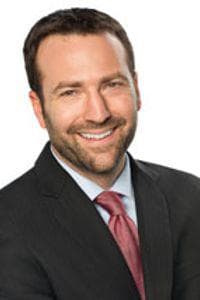
We recommend voting for Ben Allen for Insurance Commissioner. Allen has the experience, knowledge, and track record to fix California's broken insurance market.
In the June primary we endorsed Patrick Wolff while mentioning that Ben Allen was also a good choice. Unfortunately, Patrick Wolff lost, so the November election is a head-to-head matchup between Ben Allen and Jane Kim. We strongly recommend Ben Allen and strongly oppose Jane Kim.
California's insurance market is broken. Insurance companies are leaving the state, the state-run FAIR Plan has blown up to 610,000+ policies (https://www.piawest.com/news-releases-and-bulletins/california-fair-plan-exposure-up-drastically-in-2025/) (up 154% since 2021), and homeowners in fire-prone areas are getting pushed into a bare-bones backup plan that just asked for a 36% rate hike (https://stateline.org/2025/10/24/californias-last-resort-property-insurer-seeks-rate-hike-ringing-national-alarm-bells/). The next Insurance Commissioner needs to understand what's actually broken and how to fix it. Only one candidate in this race does.
Why vote for Ben Allen?
Allen has spent over a decade working on insurance, climate, and consumer protection. As a State Senator, he represents the communities devastated by the Palisades Fire, where he spent the aftermath helping hundreds of constituents fight for their insurance claims, an experience he calls "a front-row seat to our broken insurance system." He watched the FAIR Plan nearly collapse under $4 billion in losses (https://www.washingtonpost.com/weather/2025/02/11/fair-plan-payment-property-insurance/) from the LA fires, with the costs spread to policyholders statewide through a $1 billion emergency assessment (https://www.insurance.ca.gov/0250-insurers/0300-insurers/0200-bulletins/bulletin-notices-commiss-opinion/upload/Bulletin-2025-4-Updated-Guidance-regarding-Insurer-Recoupment-Procedures-in-Response-to-Assessment-by-the-FAIR-Plan.pdf), and he drew the right lesson: letting the FAIR Plan grow unchecked creates systemic risk for everyone.
"Standing amid smoke, ashes, and uncertainty, I saw what failure looks like."
Ben Allen, California State Senator
Allen didn't wait for tragedy before acting, though. In 2024, a year before the Palisades Fire, he authored Proposition 4 (https://ballotpedia.org/California_Proposition_4,_Climate_Bond_(2024)) to authorize a $10 billion bond for wildfire risk reduction and water infrastructure that voters approved. While other candidates talk in vague terms about affordability while dodging questions about their relevant experience (https://x.com/ZavalaA/status/2081551393408901530), Allen has already put $10 billion to work reducing the risk that makes insurance expensive in the first place.
His plan for the office pairs regulatory flexibility with hard accountability: insurers get more flexibility to price risk accurately so taxpayers won't be forced to bail them out after a disaster, and in exchange they must actually write and renew policies in California. He also wants an independent consumer advocate inside the Department of Insurance, public dashboards tracking insurer behavior, and a ban on Commissioners working for the insurance industry after leaving office. You can read his full plans in his answers to our questionnaire (https://growsf.org/voter-guide/questionnaires/june-2026/benjamin-allen/).
Why not Jane Kim?
Jane Kim is a career politician who went from being a San Francisco Supervisor, to losing her run for State Senate, to running a socialist political party (the Working Families Party), and now wants a state takeover of disaster insurance. She has no insurance experience, no insurance license, and no financial services background. She's running on a plan called "Disaster Insurance for All" (https://www.janekim.org/): a government-run program that would replace private disaster coverage. You'd pay a fee to the state, and the state would cover wildfires, earthquakes, and floods. Private insurers would have no reason to stick around. The next big wildfire or earthquake means either a massive taxpayer bailout or a wave of unpaid claims.
In theory, this could work, but it would depend on the state accurately pricing risk. The private market is in a crisis precisely because the state has not let insurers price risk accurately. Kim's plan would make that problem worse, not better.
Her plan reveals a fundamental misunderstanding of what insurance is. Insurance works by pricing risk and spreading it across a big pool. Kim won't commit to pricing risk. When pressed on it, she told Washington Monthly (https://washingtonmonthly.com/2026/07/13/jane-kim-california-home-insurance-crisis/): "I imagine we would look at both value and risk, but one of the goals is to make sure that [coverage] is affordable." This hedging worries economists. Holding rates down for affordability is precisely how you end up not charging for risk. When fire-prone homes don't pay what their risk actually costs, people who live in fire-safe cities like San Francisco pay more. Insurance prices are supposed to make people think twice about building in dangerous places. When that signal is weakened, more people will move to fire-prone areas, more homes will burn, and San Franciscans will pay even more to cover it.
In short, Jane Kim wants to end private disaster insurance and dump everyone into one state-run account that mis-prices the actual risks, then hope nothing bad ever happens.
We've already seen this movie in California. The FAIR Plan, the state's existing backup insurer, got hit with $4 billion in losses (https://www.washingtonpost.com/weather/2025/02/11/fair-plan-payment-property-insurance/) from the LA fires, ran out of money, and had to charge private insurers a $1 billion emergency fee (https://www.insurance.ca.gov/0250-insurers/0300-insurers/0200-bulletins/bulletin-notices-commiss-opinion/upload/Bulletin-2025-4-Updated-Guidance-regarding-Insurer-Recoupment-Procedures-in-Response-to-Assessment-by-the-FAIR-Plan.pdf) just to stay alive. That's with only 610,000 policies. Kim wants to put every California homeowner on a plan like this.
The models she points to aren't success stories either: New Zealand's earthquake insurer was overwhelmed after the 2011 Christchurch quake (https://www.rnz.co.nz/news/national/504862/class-action-launched-claiming-eqc-underpaid-christchurch-quake-victims), underpaid people for over a decade, and is now getting sued.
We are not alone in this read. The San Francisco Chronicle's editorial board endorsed Allen (https://www.sfchronicle.com/opinion/article/insurance-commissioner-california-allen-kim-22321376.php) under the headline "One candidate is ready to be California's insurance commissioner. The other would be a disaster." It called Kim "as rash as they come," said her platform is "politically seductive" but "a recipe for disaster," and pointed to her 2016 Prop C, the inclusionary housing rates that supervisors had to cut three times because projects stopped penciling out. Its conclusion: "If Prop C is an example of how Kim would operate as insurance commissioner, voters should run screaming."
This race is a choice between a legislator who has spent a decade on the problem and a candidate whose plan would make it dramatically worse. Ben Allen understands how insurance works and has already done more than anyone in this race to fix it. That's why he has our endorsement.
California Superintendent of Public Instruction
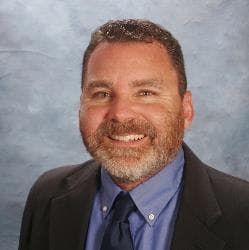
This office matters far less than it did the last time you voted on it. Under the budget Newsom signed in June, a commissioner appointed by the governor (https://www.kqed.org/news/12089316/newsoms-education-overhaul-strips-power-from-californias-next-elected-schools-chief) takes over the Department of Education from the superintendent on January 15, 2027. Whoever wins this race is sworn in earlier that month and will run the department for a matter of days.
The superintendent gets a vote on the State Board of Education (https://www.cde.ca.gov/be/), which grows from 11 members to 13 (https://www.kqed.org/news/12089316/newsoms-education-overhaul-strips-power-from-californias-next-elected-schools-chief) and decides what students are expected to learn, approves textbooks, and runs the state tests. The office also comes with seats on the boards that run the community colleges, CSU, and UC, and a platform to speak for public schools.
Why Barrera?
Textbook approval is the biggest lever this office has left, and reading is where California is failing. Only 47% of kids (https://www.cde.ca.gov/nr/ne/yr24/yr24rel46.asp) read at grade level, and SFUSD is in the bottom 10% (https://www.careads.org/reportcard) of 287 districts. California's answer in 2025 was a phonics law (https://speaker.asmdc.org/press-releases/20251009-governor-signs-speaker-rivas-new-law-strengthen-child-literacy-california) that districts can adopt or ignore. Mississippi went further, moving from 49th in fourth-grade reading in 2013 to about the national average by 2019 (https://www.chalkbeat.org/2023/7/18/23799124/mississippi-miracle-test-scores-naep-early-literacy-grade-retention-reading-phonics/) by training teachers in phonics, putting reading coaches in struggling schools, and holding back third graders who couldn't read. Richard Barrera calls it "worth studying seriously." (https://growsf.org/voter-guide/questionnaires/june-2026/richard-barrera/)
He would have the Board track a short list of statewide outcomes and report publicly on whether they improve, rather than keep adding goals.
"California does not suffer from a shortage of goals. It suffers from scattered responsibility and uneven follow-through."
Richard Barrera, San Diego Unified School Board Trustee
At San Diego Unified, Barrera pushed the district to require every graduate to complete the courses needed for UC and CSU admission, and he says the share of Latino students meeting that bar rose from 25% to 70% (https://edsource.org/2026/richard-barrera-california-education-superintendent/756001) within a decade. He did that with a district trustee's power to set graduation requirements. This office doesn't have that power, but it does put him on the boards that run UC, CSU, and the community colleges, where those graduates apply next.
Newman was right
In June we endorsed Josh Newman (https://growsf.org/voter-guide/san-francisco-voter-guide-june-2026-election/contests/state-superintendent-of-public-instruction/), partly because he was the only candidate willing to say this job should be appointed rather than elected. He was right.
Under the old arrangement the governor-appointed State Board of Education set policy and a separately elected superintendent carried it out, so when results were bad they deflected blame to each other and nobody was held responsible. A December 2025 report (https://edpolicyinca.org/sites/default/files/2026-01/r_myung_dec2025_1.pdf) from Policy Analysis for California Education found that the split produced overlapping responsibilities and unclear accountability, and recommended putting the department under a director appointed by the Board while the elected superintendent evaluates whether the system is working.
Both candidates opposed the change (https://www.kqed.org/news/12089316/newsoms-education-overhaul-strips-power-from-californias-next-elected-schools-chief). Barrera called it an "end-around attempt to take away responsibility from the person that the voters are electing to improve our public schools," and Shaw called it an "unconstitutional power grab." We think they're wrong, though it doesn't bear much on your vote, because neither of them can undo it.
California State Assembly - District 17
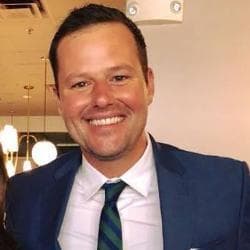
We recommend voting for Matt Haney for State Assembly, District 17.
Haney has been one of the most productive SF legislators in Sacramento. His biggest win is AB 507 (https://www.gov.ca.gov/2025/10/10/governor-newsom-builds-on-this-years-historic-housing-reforms-signs-legislation-to-accelerate-housing-and-affordability/), signed by Newsom in 2025, which makes it easier to turn empty office buildings into housing statewide. The law started as a San Francisco fix — our downtown has millions of square feet of empty office space — and Haney got it expanded to the whole state. Projects that meet the rules now get approved automatically, no rezoning needed. He's also pushed hard on public safety: AB 2475 (https://a17.asmdc.org/press-releases/20241001-bill-preventing-state-hospital-patients-violent-criminal-history-being) stops state hospitals from releasing patients with violent criminal histories without a plan for supervision, housing, and treatment.
In his questionnaire, Haney lays out an ambitious but grounded agenda for a second term. On housing, he wants to end exclusionary zoning, accelerate office-to-housing conversions, and move toward by-right permitting for infill projects. On the fentanyl crisis, he's working to expand treatment access and guarantee drug-free recovery housing, while supporting enforcement against trafficking networks. And he's championing downtown revitalization — modernizing nightlife rules, supporting small businesses, and making urban cores places people want to spend time again.
Haney works across party lines and gets bills signed. He's running unopposed, and he's earned another term.
Source (https://growsf.org/voter-guide/san-francisco-voter-guide-june-2026-election/#assembly-district-17)
California State Assembly - District 19
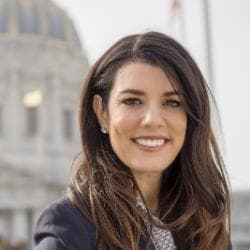
We recommend voting for Catherine Stefani for State Assembly, District 19.
Stefani has had a productive first term. She got two bills signed by Newsom in 2025: the Restitution First Act (AB 1213) (https://a19.asmdc.org/press-releases/20251007-restitution-first-act-introduced-assemblymember-catherine-stefani-and), which makes sure crime victims get paid back before other fines are collected, and a license plate cover ban (AB 1085) (https://a19.asmdc.org/press-releases/20250417-assemblymember-catherine-stefani-introduces-legislation-crack-down-license) that closes a loophole criminals used to dodge toll cameras. Gun safety is her signature issue — she founded the SF chapter of Moms Demand Action (https://www.votecatherinestefani.com/meet_catherine) and wrote SF's first-in-California ghost gun ban (https://www.sfexaminer.com/archives/sf-moves-forward-with-first-california-ghost-gun-ban/article_0adc5dd2-6419-58d3-b07e-94fb68d3221b.html) as a Supervisor.
We do have some concerns about Stefani's alignment with Sacramento special interests — particularly on issues where the priorities of state-level advocacy groups don't always match what's best for San Francisco. We'll be watching her second term closely. But on the merits of what she's done so far, she's earned our endorsement.
Source (https://growsf.org/voter-guide/san-francisco-voter-guide-june-2026-election/#assembly-district-19)